
Power quality
Catch power quality faults you cannot see,
in real time, on the record
Why it matters
Equipment stops for no apparent reason, or a healthy line starts producing defects. Trace it and power quality is
often the culprit. A momentary voltage dip or a harmonic is neither visible nor long-lived,
so without continuous monitoring the evidence is gone. The fault gets written off as unexplained,
and it happens again.
Data and signals
Five principles for turning industrial data into an assetHow Refinery solves it
Monitor quality metrics
Voltage, frequency, harmonics and imbalance are watched in real time, so the moment a threshold is crossed is not missed.
Record events automatically
Fleeting events - sags, swells, brief interruptions - are recorded automatically, leaving evidence you can go back to.
Connect to causes
Overlay when and where a quality event occurred with operating and failure history. Checking whether the timing lines up with a stoppage or a defect turns a vague suspicion into evidence.
Separate what mattered
Distinguish the events that actually caused problems from the ones that passed harmlessly, so you know what to fix first.

Start from a power quality monitoring template
What to monitor and against which thresholds differs a little from site to site, but the outline is much the same. The power quality template used across several sites already sets out the key metrics, the judgment criteria, and the event types that commonly cause trouble. Connect your measurement points and assets, and you can skip the design stage and start monitoring.
- Voltage · frequency · harmonic monitoring items
- Sag/swell and interruption thresholds
- Asset-history linked view
- Quality event alert rules
Related use cases
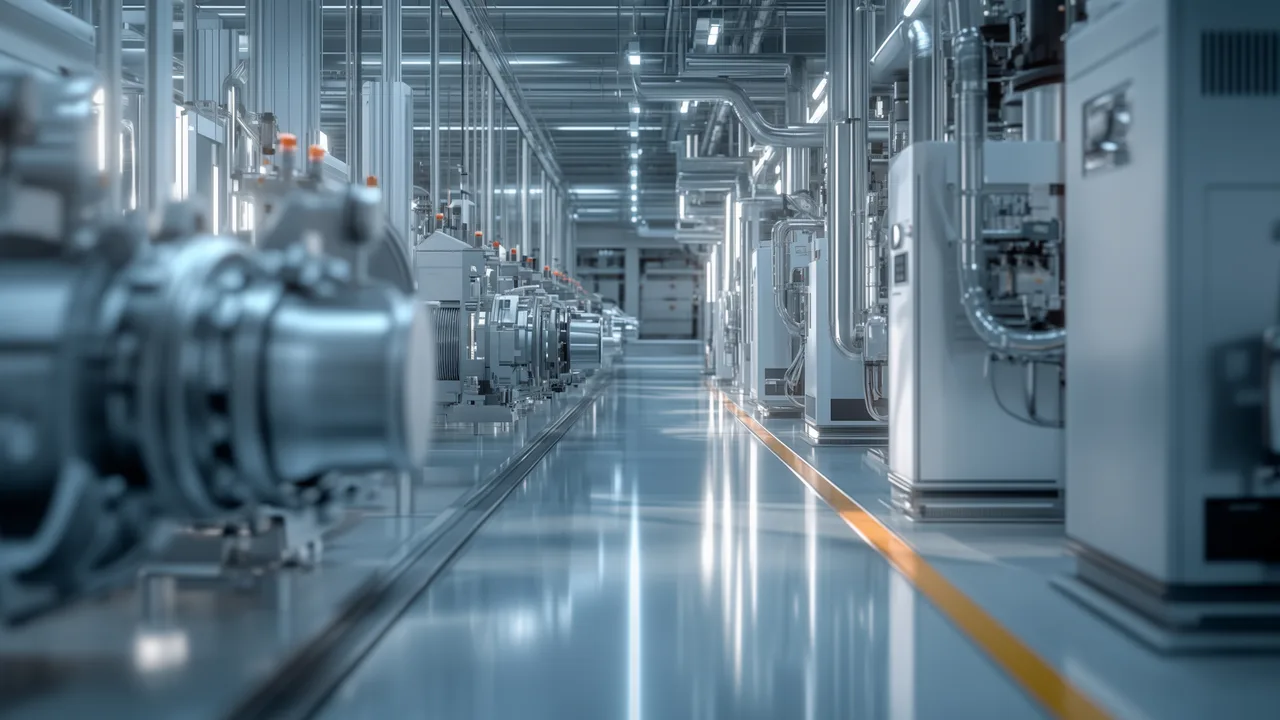
Read the early signs of motor failure
and cut unplanned downtime.

Bring scattered sensors into one structure
and read anomalies together.
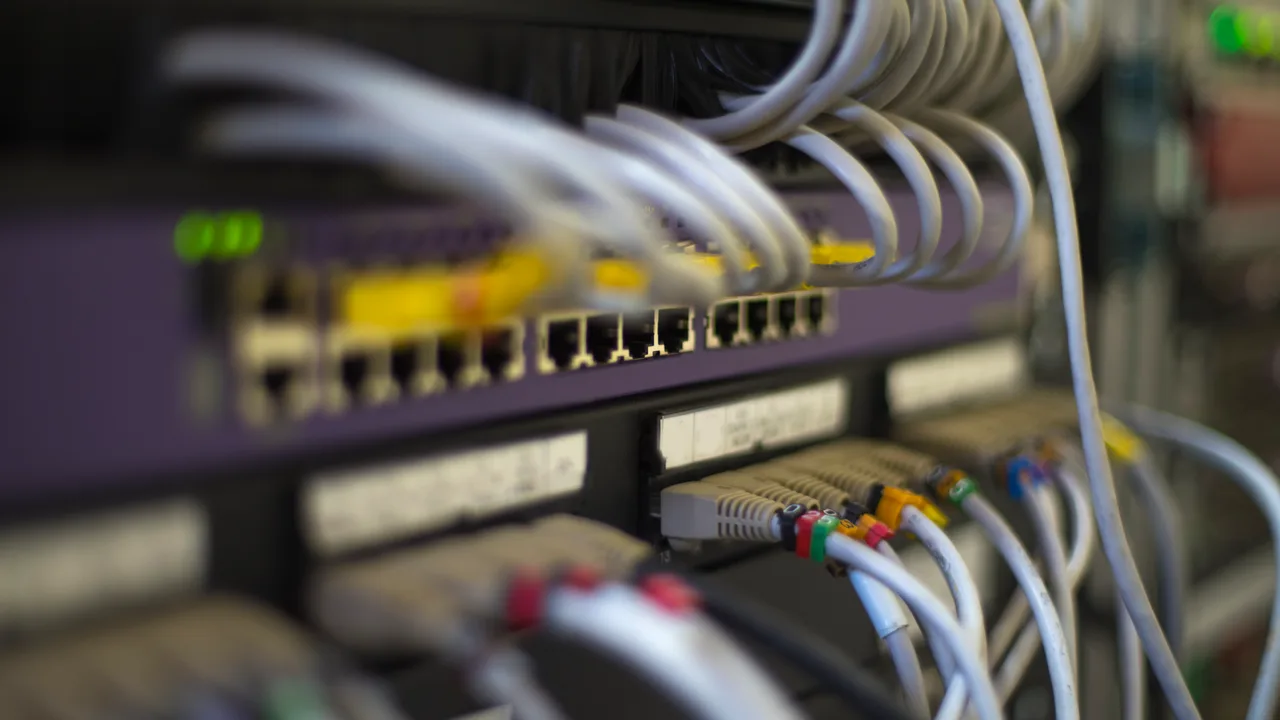
Know when, where and how much you use,
and cut cost and risk.

Bring the whole plant’s energy into one view
and cut waste and emissions together.
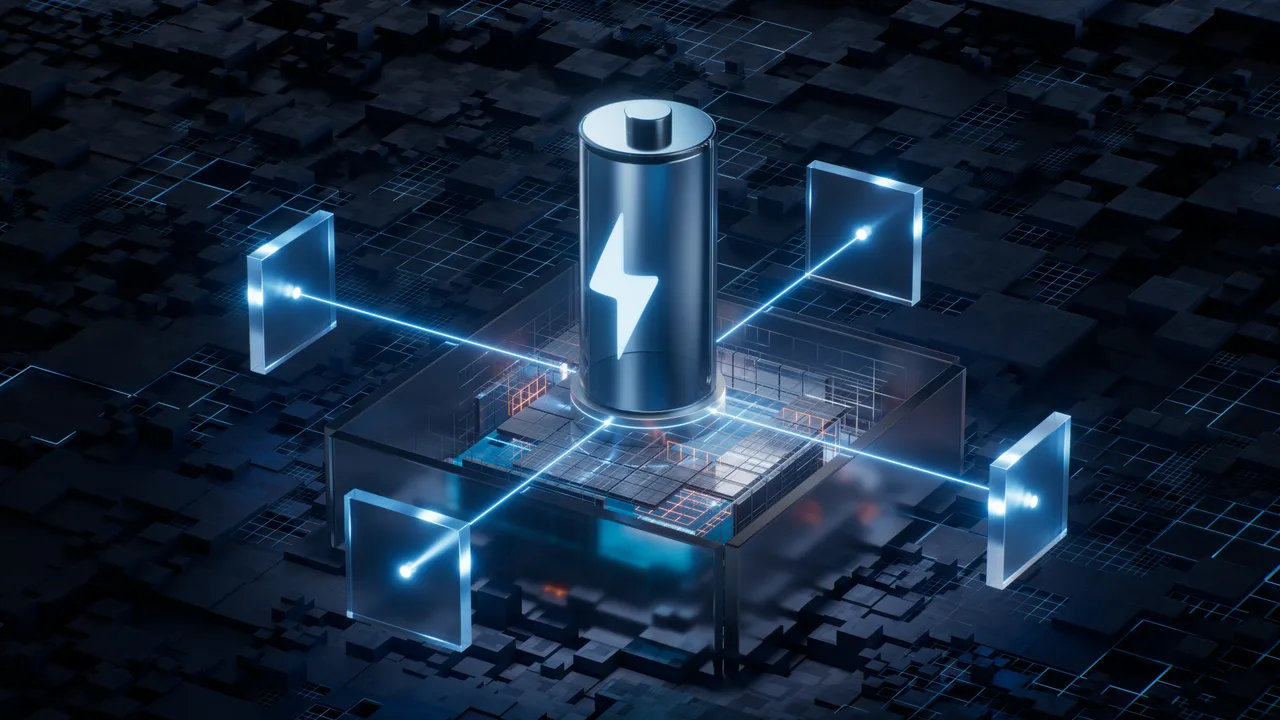
Find the hidden waste and the peaks,
and do the same work for less.
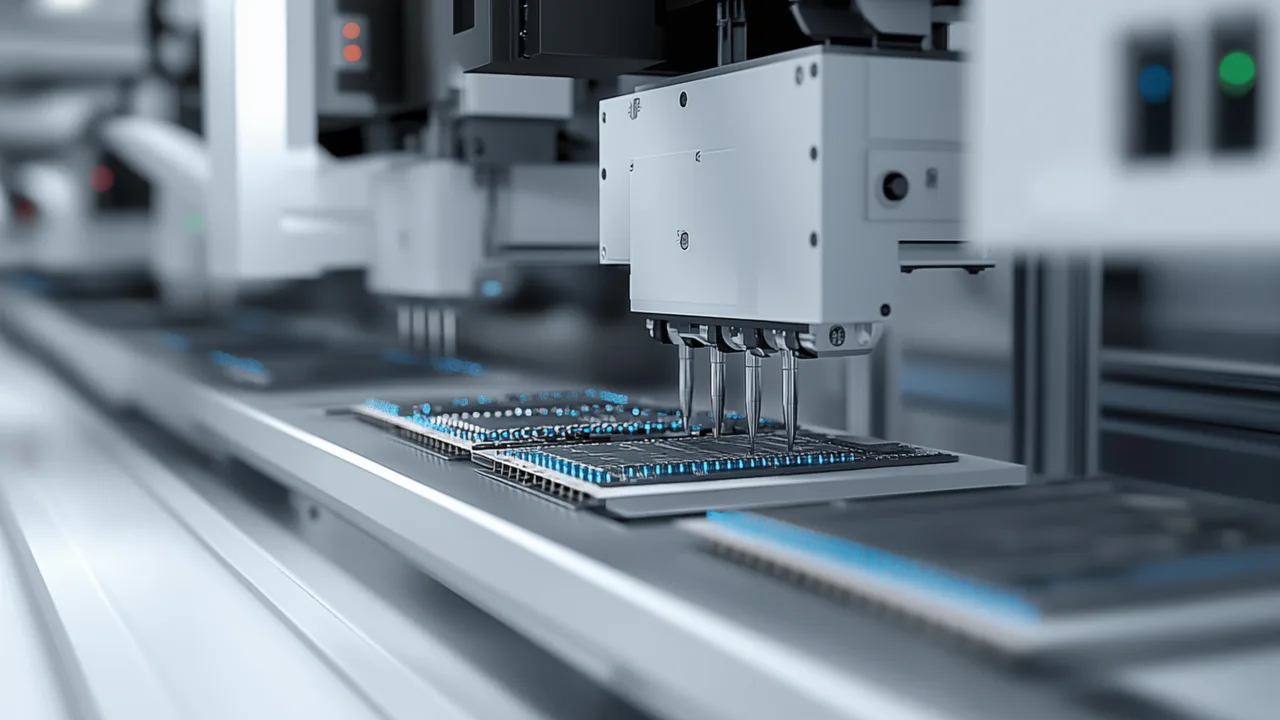
Read what the process data is signalling
and catch defects before they finish.